
What happened?
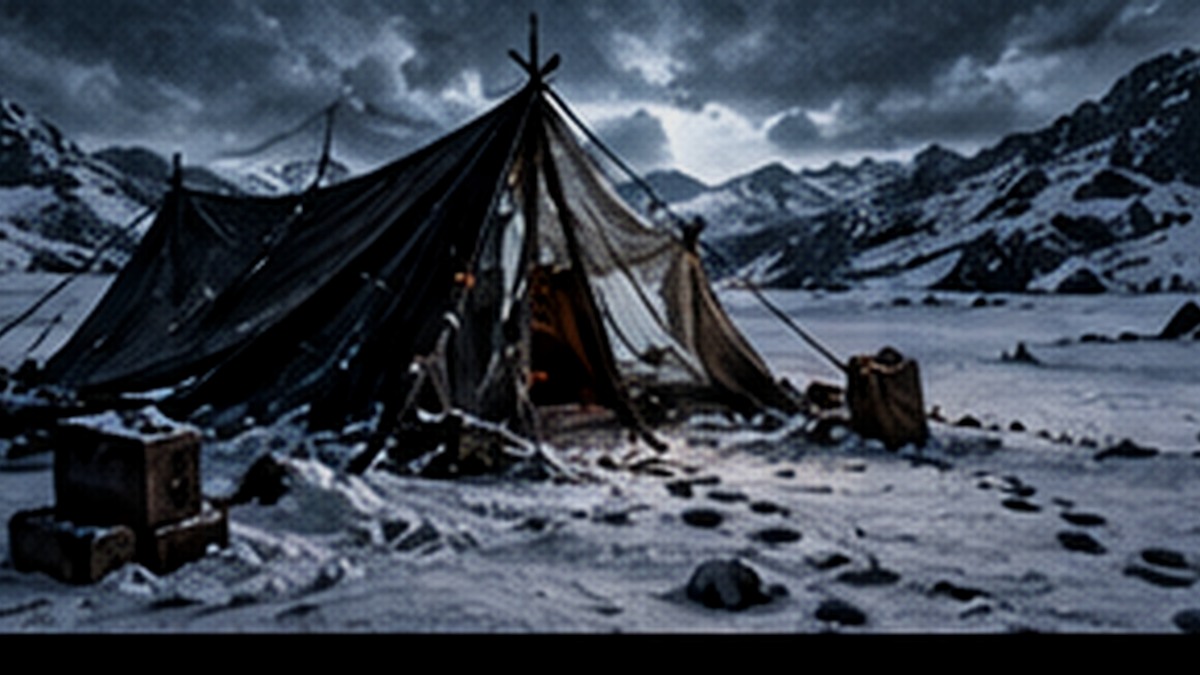
In February 1959, nine experienced hikers died during an expedition in the northern Ural Mountains. Searchers later found their tent and bodies in difficult winter conditions. The scene and injuries were described in reports that circulated widely, often stripped of context. Later investigations proposed natural explanations, including a snow-slab event, but debate continues over details and the way the case was communicated.
How to read this case
Start with the basic chronology and ask what each source can establish. A witness account can document what a person says they experienced; it does not automatically establish the cause of that experience. A photograph or recording can document what appears in the frame, but its date, origin, editing history and surrounding context still matter.
For historical cases, contemporary records may be incomplete, biased or shaped by the investigative methods of their time. Later retellings can add useful context, but they can also repeat details from a single source until those details appear independently confirmed. This article therefore separates the core event, reported observations, later interpretations and unresolved questions.
Timeline
A chronology helps separate the sequence of documented events from later interpretation. Dates and descriptions should be checked against the linked primary record before publication.
The hiking group began its expedition.
The group failed to return as expected, prompting a search.
Searchers located the tent and eventually recovered the group members’ bodies.
Authorities investigated the deaths; later reviews revisited possible natural mechanisms.
Evidence room
Open each evidence note to see what the item can—and cannot—establish. Evidence labels should be based on the quality and provenance of the underlying source.
Expedition records
Route, weather and equipment information help establish the conditions.
Tent and recovery scene
Descriptions should be sourced to original reports and interpreted in context.
Medical and investigative documents
Specific injury descriptions require precise sourcing; popular summaries frequently oversimplify them.
Theories and explanations
These are explanatory possibilities, not equal in evidentiary strength. A theory must be assessed against the facts it explains and the assumptions it requires.
Snow-slab or avalanche-related event
Later analyses have argued that a localised snow-slab event could explain a rapid evacuation and some injuries.
Severe weather and terrain
Cold, wind and poor visibility could have contributed to fatal decisions after leaving shelter.
Conspiracy or paranormal claims
These are popular in media, but no reliable evidence establishes an extraordinary cause.
ARX assessment
The deaths are real and tragic; the most responsible account explains what later investigations concluded, what evidence supports those conclusions, and which details remain uncertain.
Questions still worth checking
- Which details appear in contemporary records, and which first appear in later retellings?
- Can the most important quotations, dates and objects be traced to an original document or recording?
- Do apparently independent sources rely on the same earlier account?
- What evidence would strengthen or weaken each major explanation?
- Which details remain unknown, and how can the article avoid filling those gaps with speculation?
Research trail
- Original Soviet investigative materials: Seek translations or archival reproductions and note translation limitations.
- Official later review: Cite the precise report and date for any claim about an official explanation.
- Peer-reviewed or technically detailed analyses: Evaluate methods and assumptions rather than relying on sensational video summaries.