
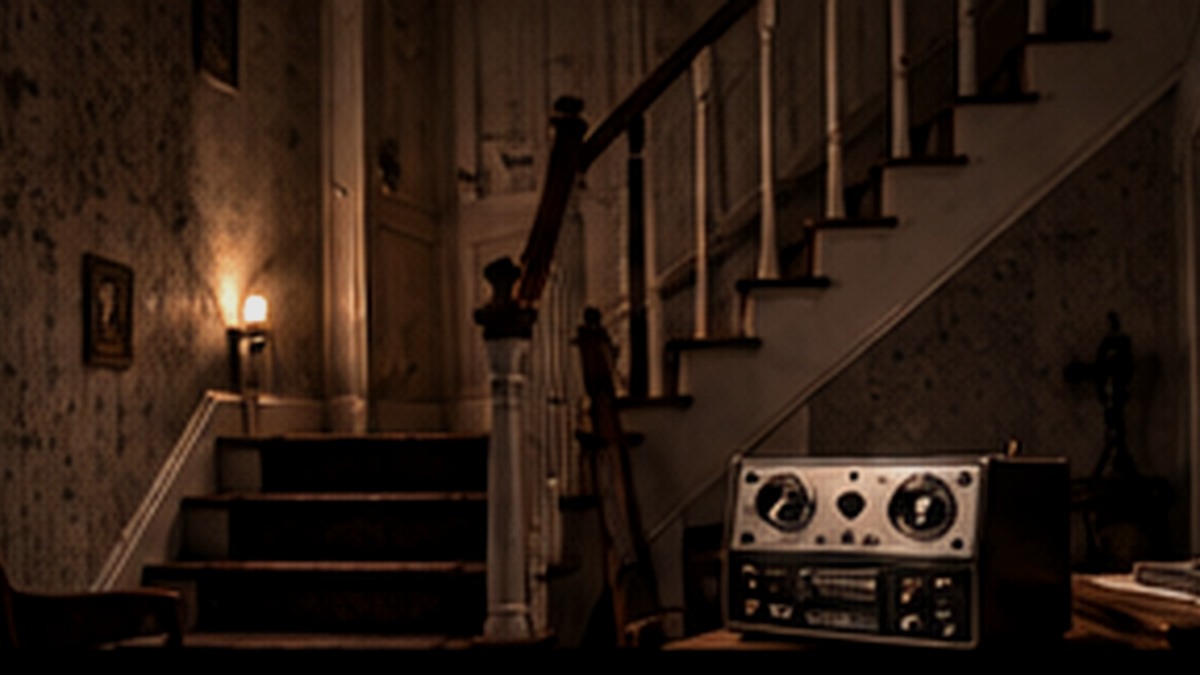
What happened?
From 1977 into 1979, reports of unexplained activity at a home in Enfield, north London, drew journalists and paranormal investigators. Claims included knocking sounds, moving objects and unusual voices. Some incidents were recorded or witnessed by visitors, while sceptics argued that some activity could have been staged or misinterpreted. The case remains controversial because testimony and selected recordings do not settle every claim.
How to read this case
Start with the basic chronology and ask what each source can establish. A witness account can document what a person says they experienced; it does not automatically establish the cause of that experience. A photograph or recording can document what appears in the frame, but its date, origin, editing history and surrounding context still matter.
For historical cases, contemporary records may be incomplete, biased or shaped by the investigative methods of their time. Later retellings can add useful context, but they can also repeat details from a single source until those details appear independently confirmed. This article therefore separates the core event, reported observations, later interpretations and unresolved questions.
Timeline
A chronology helps separate the sequence of documented events from later interpretation. Dates and descriptions should be checked against the linked primary record before publication.
The family reported unusual noises and activity, attracting local attention.
Investigators and journalists visited the home; accounts and recordings began circulating.
The case continued with disputed incidents, interviews and changing interpretations.
The case became a fixture of paranormal media, often simplified into definitive claims by both believers and sceptics.
Evidence room
Open each evidence note to see what the item can—and cannot—establish. Evidence labels should be based on the quality and provenance of the underlying source.
Witness statements
Accounts differ in reliability and interpretation; identify who witnessed each event and under what conditions.
Audio and video recordings
Recordings can be examined, but context, editing, provenance and alternative explanations matter.
Investigators’ disagreements
The fact that investigators disagreed is part of the record; it is not proof for either a supernatural or fraudulent explanation.
Theories and explanations
These are explanatory possibilities, not equal in evidentiary strength. A theory must be assessed against the facts it explains and the assumptions it requires.
Poltergeist interpretation
Supporters considered the events a genuine haunting, but supernatural causation has not been established.
Pranks or exaggeration
Sceptics argued that some incidents were deliberate or overstated; each specific claim needs its own evidence.
Mixed explanation
Some reports may have had different causes. This possibility avoids assuming every reported event shared one source.
ARX assessment
Enfield is best understood as a heavily documented but disputed case. It is compelling precisely because the evidence must be assessed incident by incident rather than treated as one all-or-nothing story.
Questions still worth checking
- Which details appear in contemporary records, and which first appear in later retellings?
- Can the most important quotations, dates and objects be traced to an original document or recording?
- Do apparently independent sources rely on the same earlier account?
- What evidence would strengthen or weaken each major explanation?
- Which details remain unknown, and how can the article avoid filling those gaps with speculation?
Research trail
- Contemporary BBC and newspaper coverage: Locate original reporting and distinguish contemporaneous material from later summaries.
- Published investigator accounts: Treat as primary testimony about what the authors believed, not automatically as independent verification.
- Sceptical analyses: Compare specific claims and evidence rather than relying on broad labels such as hoax or proof.