
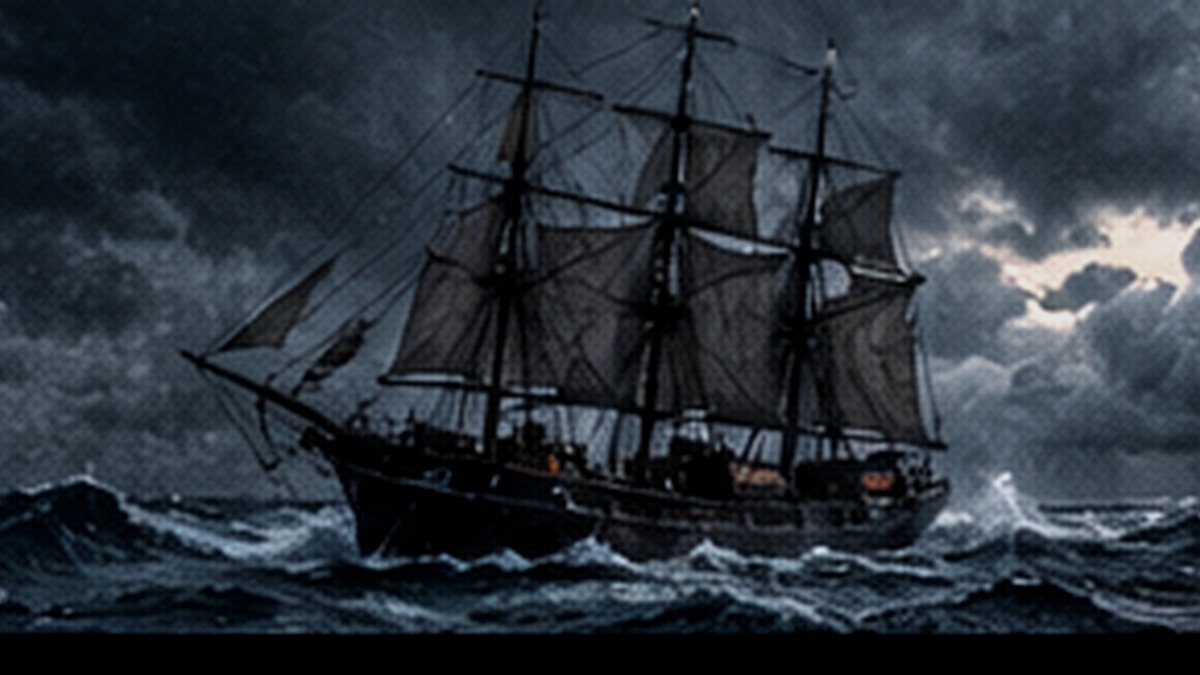
What happened?
The Mary Celeste was discovered adrift in the Atlantic in December 1872, with no crew aboard. The vessel was not found in the pristine, fully stocked condition sometimes described in fiction; reports included signs of disorder and missing equipment. The crew was never found, and no explanation has been conclusively established.
How to read this case
Start with the basic chronology and ask what each source can establish. A witness account can document what a person says they experienced; it does not automatically establish the cause of that experience. A photograph or recording can document what appears in the frame, but its date, origin, editing history and surrounding context still matter.
For historical cases, contemporary records may be incomplete, biased or shaped by the investigative methods of their time. Later retellings can add useful context, but they can also repeat details from a single source until those details appear independently confirmed. This article therefore separates the core event, reported observations, later interpretations and unresolved questions.
Timeline
A chronology helps separate the sequence of documented events from later interpretation. Dates and descriptions should be checked against the linked primary record before publication.
The ship left New York bound for Genoa with cargo and crew.
The ship’s last known movements were later reconstructed from voyage records.
The Dei Gratia encountered the Mary Celeste adrift.
Authorities investigated the abandonment; theories proliferated in later writing.
Evidence room
Open each evidence note to see what the item can—and cannot—establish. Evidence labels should be based on the quality and provenance of the underlying source.
Ship and cargo records
Contemporary inquiry documents and maritime records are key to reconstructing conditions aboard.
Lifeboat and equipment
Details about missing equipment must be checked against the inquiry record.
Crew disappearance
No confirmed account explains what happened to all crew members after abandonment.
Theories and explanations
These are explanatory possibilities, not equal in evidentiary strength. A theory must be assessed against the facts it explains and the assumptions it requires.
Fear of cargo or vapour
Some theories focus on perceived danger from the cargo, but the evidence does not prove a single scenario.
Weather and sea conditions
Maritime hazards may have influenced the decision to leave the vessel; any specific reconstruction remains hypothetical.
Piracy or foul play
Popular theories exist, but should not be presented as proven without supporting evidence.
ARX assessment
The Mary Celeste’s enduring mystery is the disappearance of its crew. The most useful retelling separates inquiry evidence from dramatic legends that accumulated later.
Questions still worth checking
- Which details appear in contemporary records, and which first appear in later retellings?
- Can the most important quotations, dates and objects be traced to an original document or recording?
- Do apparently independent sources rely on the same earlier account?
- What evidence would strengthen or weaken each major explanation?
- Which details remain unknown, and how can the article avoid filling those gaps with speculation?
Research trail
- 1873 vice-admiralty inquiry records: Use the contemporary legal inquiry as the primary source.
- Maritime history scholarship: Prefer studies that cite original documents.
- Contemporary newspapers: Compare early reports with later fictionalised accounts.