
What happened?
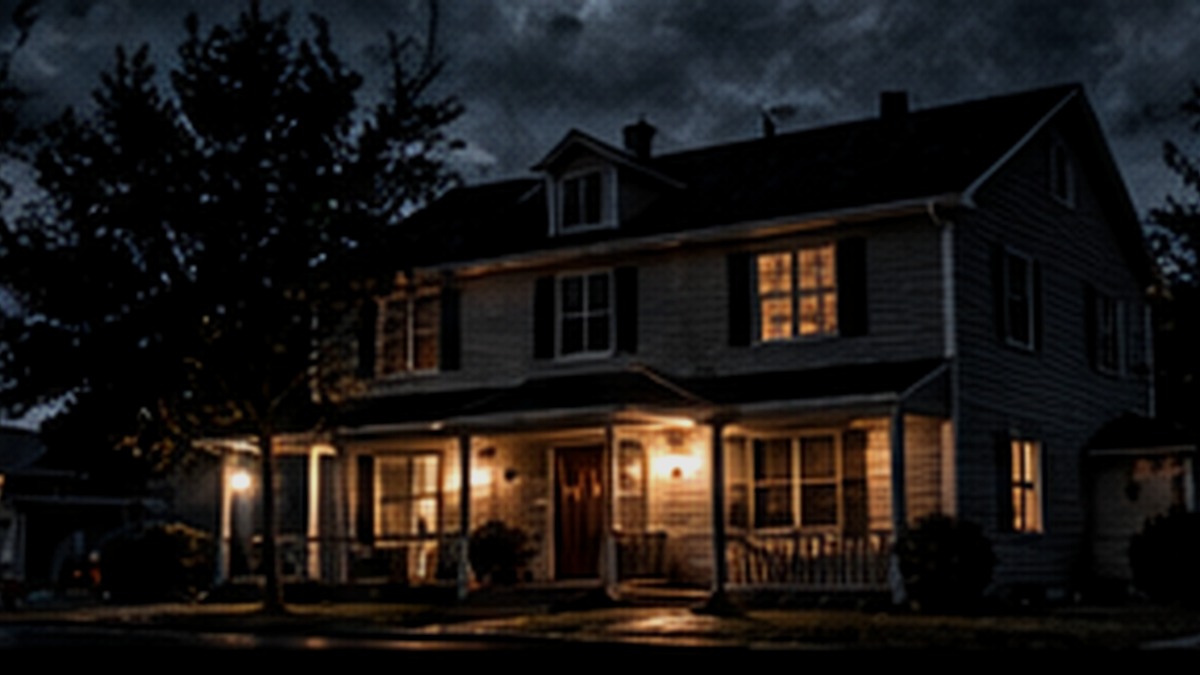
The Smurl family said that they experienced a range of disturbing events in their Pennsylvania home. The story received attention through paranormal investigators and popular media. As with many reported hauntings, much of the public narrative rests on testimony, later retellings and competing interpretations rather than independently reproducible evidence.
How to read this case
Start with the basic chronology and ask what each source can establish. A witness account can document what a person says they experienced; it does not automatically establish the cause of that experience. A photograph or recording can document what appears in the frame, but its date, origin, editing history and surrounding context still matter.
For historical cases, contemporary records may be incomplete, biased or shaped by the investigative methods of their time. Later retellings can add useful context, but they can also repeat details from a single source until those details appear independently confirmed. This article therefore separates the core event, reported observations, later interpretations and unresolved questions.
Timeline
A chronology helps separate the sequence of documented events from later interpretation. Dates and descriptions should be checked against the linked primary record before publication.
The family later said that unusual events began in their home.
The story reached wider attention through investigators and media accounts.
Books, interviews and screen adaptations popularised the case, sometimes blending documented statements with dramatic reconstruction.
Evidence room
Open each evidence note to see what the item can—and cannot—establish. Evidence labels should be based on the quality and provenance of the underlying source.
Family testimony
Important to the history of the case, but testimony alone cannot establish a supernatural cause.
Investigator reports
Read as accounts from particular investigators and assess their methods and independence.
Media adaptations
Dramatisations are not evidence and may alter chronology or details.
Theories and explanations
These are explanatory possibilities, not equal in evidentiary strength. A theory must be assessed against the facts it explains and the assumptions it requires.
Paranormal interpretation
This is how the family and some investigators framed the events; it remains unproven.
Environmental or ordinary causes
Noise, building conditions, expectation and misinterpretation should be considered where relevant.
Story amplification
Later media may have made the narrative more coherent or dramatic than the original record.
ARX assessment
The case can be explored respectfully without declaring the haunting either proven or conclusively fabricated. A sound account identifies what each source actually supports.
Questions still worth checking
- Which details appear in contemporary records, and which first appear in later retellings?
- Can the most important quotations, dates and objects be traced to an original document or recording?
- Do apparently independent sources rely on the same earlier account?
- What evidence would strengthen or weaken each major explanation?
- Which details remain unknown, and how can the article avoid filling those gaps with speculation?
Research trail
- Contemporary newspaper and interview records: Seek original statements and date them accurately.
- Published accounts by investigators: Identify author perspective and distinguish observation from interpretation.
- Independent sceptical commentary: Use specific counterarguments rather than treating scepticism as a blanket answer.